

Embark on a journey delving into the pivotal role of Health Information Technology in Hospitals. From enhancing patient care to streamlining operations, this topic explores the transformative impact of technology in healthcare settings.
Exploring the integration of electronic health records, the challenges faced during implementation, and the crucial training programs ensuring successful adoption by hospital staff.
The Benefits of Health Information Technology in Hospitals
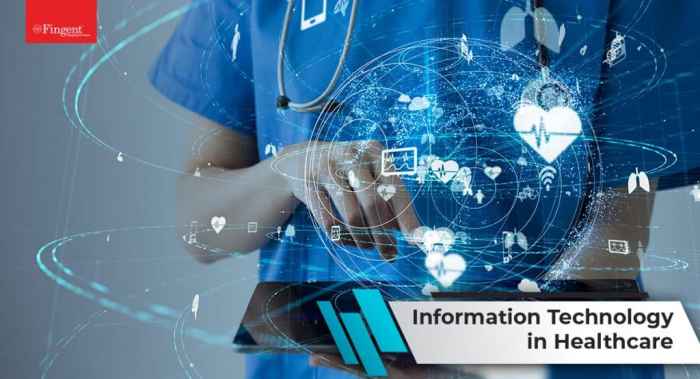
Health information technology plays a crucial role in improving patient care, increasing efficiency in hospitals, and reducing medical errors. Let's explore some key benefits in detail below:
Improved Patient Care
- Health information technology allows for better coordination of patient care by ensuring that all healthcare providers have access to the same information about a patient's medical history, medications, and treatment plans.
- Electronic health records (EHRs) enable healthcare professionals to quickly retrieve patient information, leading to faster and more accurate diagnoses and treatment decisions.
- Telemedicine platforms and mobile health apps enhance patient engagement and access to care, especially for individuals in remote or underserved areas.
Increased Efficiency in Hospitals
- Electronic health records streamline administrative processes, such as scheduling appointments, managing billing, and maintaining patient records, leading to cost savings and improved workflow.
- Automation of routine tasks, such as prescription refills, lab test orders, and appointment reminders, frees up healthcare providers to focus on patient care.
- Health information technology enables real-time communication between healthcare teams, promoting collaboration and timely decision-making.
Reduction of Medical Errors
- Electronic prescribing systems help prevent medication errors by providing alerts for potential drug interactions, allergies, and correct dosages.
- Clinical decision support tools offer evidence-based guidelines and best practices to assist healthcare providers in making informed treatment decisions.
- Standardized documentation in electronic health records reduces the risk of errors related to illegible handwriting, incomplete forms, or misplaced paper records.
Implementation of Health Information Technology Systems
Implementing health information technology (HIT) systems in hospital settings is a complex process that involves integrating new technology into existing workflows and ensuring seamless adoption by staff. This transition is crucial for improving patient care, increasing efficiency, and enhancing overall healthcare outcomes.
Key Challenges in Implementing HIT Systems
- Lack of interoperability: One of the major challenges hospitals face is the compatibility of new HIT systems with existing technologies. Ensuring that different systems can communicate and share data effectively is essential for seamless integration.
- Cost and resource constraints: Implementing HIT systems can be costly, requiring significant investments in technology, training, and infrastructure. Limited resources and budget constraints can hinder the implementation process.
- Resistance to change: Healthcare professionals may resist adopting new technologies due to fear of change, lack of training, or concerns about the impact on their workflows. Overcoming this resistance is crucial for successful implementation.
- Data security and privacy concerns: Hospitals must ensure that patient data remains secure and confidential when transitioning to new HIT systems. Compliance with data protection regulations and maintaining patient trust are key considerations.
Training Programs for Successful Adoption
- Comprehensive training programs: Hospitals should provide ongoing training and support to staff to ensure they are proficient in using new HIT systems. Hands-on training, workshops, and educational resources can help employees adapt to the changes.
- Engagement and communication: Involving staff in the implementation process and communicating the benefits of HIT systems can increase buy-in and support. Open communication channels and feedback mechanisms are essential for successful adoption.
- Customized training approaches: Hospitals should tailor training programs to the specific needs of different departments and roles within the organization. Customized training can address unique challenges and ensure successful implementation across all areas.
Role of Health Information Technology in Streamlining Hospital Operations
Health information technology plays a crucial role in optimizing hospital workflows by enhancing efficiency and accuracy in various operational aspects.
Electronic Prescribing Systems for Medication Management
- Electronic prescribing systems streamline medication management by allowing healthcare providers to electronically send prescriptions to pharmacies, reducing errors associated with handwritten prescriptions.
- These systems also provide real-time access to patient medication history, drug interactions, and allergy information, enabling healthcare professionals to make informed decisions quickly.
- By automating the prescription process, electronic prescribing systems help improve patient safety, increase medication adherence, and reduce medication errors in hospitals.
Inventory Management with Health Information Technology
- Health information technology contributes to inventory management in hospitals by automating the tracking and monitoring of medical supplies, equipment, and pharmaceuticals.
- Through inventory management systems, hospitals can efficiently manage stock levels, track expiration dates, and reorder supplies when needed, preventing stockouts and wastage.
- Real-time visibility into inventory levels and usage patterns enables hospitals to optimize supply chain management, reduce costs, and ensure timely availability of critical resources.
Security and Privacy Concerns in Health Information Technology
Ensuring the security and privacy of patient data within health information technology systems is paramount in maintaining trust and compliance within the healthcare industry.
Importance of Safeguarding Patient Data
Hospitals must prioritize safeguarding patient data to prevent unauthorized access, data breaches, and potential misuse of sensitive information.
Common Security Risks
- Phishing attacks targeting employees to gain access to patient records.
- Ransomware attacks that can encrypt data and demand payment for its release.
- Insider threats where employees intentionally or unintentionally compromise data security.
- Insecure networks that can be vulnerable to external cyber threats.
Measures for Ensuring Confidentiality and Integrity
- Implementing encryption technologies to secure data in transit and at rest.
- Enforcing strict access controls and user authentication protocols.
- Regularly updating security patches and software to mitigate vulnerabilities.
- Conducting regular security audits and risk assessments to identify and address potential weaknesses.
Summary
In conclusion, the role of Health Information Technology in Hospitals is a game-changer in improving efficiency, reducing errors, and enhancing overall patient care. Embracing technological advancements is key to a brighter future in healthcare.
FAQ Guide
How does Health Information Technology improve patient care?
Health Information Technology enhances patient care by providing quick access to medical records, facilitating communication among healthcare providers, and ensuring accurate treatment plans.
What are common security risks associated with Health Information Technology in hospitals?
Common security risks include data breaches, unauthorized access to patient information, and malware attacks. Hospitals must implement robust security measures to safeguard sensitive data.
How do electronic prescribing systems enhance medication management in hospitals?
Electronic prescribing systems streamline the medication ordering process, reduce errors in prescription writing, and improve medication adherence among patients.

