

Exploring the impact of Health Information Technology on patient care, this introduction sets the stage for a detailed examination of the subject. The following paragraphs will delve into the specific benefits, challenges, and opportunities that arise from the integration of HIT in healthcare settings.
Benefits of Health Information Technology (HIT) in Patient Care
Health Information Technology (HIT) plays a crucial role in improving patient care by enhancing communication, reducing medical errors, and ultimately improving patient outcomes.
Enhanced Communication Between Healthcare Providers and Patients
One of the key benefits of HIT is the improved communication between healthcare providers and patients. Electronic health records (EHRs) allow for seamless sharing of patient information among different healthcare professionals involved in the patient's care. This ensures that all providers are on the same page regarding the patient's medical history, medications, and treatment plans.
Reduced Medical Errors and Improved Patient Outcomes
HIT helps in reducing medical errors by providing healthcare providers with accurate and up-to-date information about the patient. For example, computerized physician order entry (CPOE) systems can flag potential drug interactions or allergies, preventing medication errors. Additionally, decision support systems can provide evidence-based guidelines to help healthcare providers make informed decisions, leading to better patient outcomes.
Electronic Health Records (EHR) and Patient Care
Electronic Health Records (EHR) play a crucial role in modern healthcare settings by digitizing patients' health information and medical history. This digital format allows for easy access to patient data, streamlining the process of information management and improving the overall quality of patient care.
Streamlining Patient Information Access and Management
EHR systems streamline patient information access and management by centralizing all relevant health data in one electronic platform. This allows healthcare providers to quickly retrieve patient records, lab results, medication lists, and other critical information, leading to more efficient and informed decision-making in patient care.
Impact on Patient Engagement and Personalized Care
The implementation of EHR systems has significantly enhanced patient engagement and personalized care. With access to comprehensive health records, healthcare providers can tailor treatment plans according to individual patient needs, preferences, and medical history. This level of personalization fosters a more collaborative approach to healthcare, empowering patients to actively participate in their treatment and overall well-being.
Telemedicine and Remote Patient Monitoring
Telemedicine leverages Health Information Technology (HIT) to deliver virtual care to patients, allowing healthcare providers to interact with patients remotely through video conferencing, phone calls, or secure messaging platforms. This approach enables patients to receive medical attention from the comfort of their homes, reducing the need for in-person visits and enhancing access to healthcare services.
Benefits of Remote Patient Monitoring
- Continuous Monitoring: Remote patient monitoring devices collect real-time data on vital signs, symptoms, and medication adherence, enabling healthcare providers to track patients' health status on a regular basis.
- Early Intervention: By monitoring patients remotely, healthcare providers can detect changes or abnormalities in health metrics promptly, allowing for timely interventions and preventing potential health complications.
- Improved Patient Engagement: Remote monitoring encourages patients to take an active role in managing their health, as they become more aware of their health data and can collaborate with healthcare providers to make informed decisions.
- Enhanced Outcomes: Remote patient monitoring has been shown to lead to better health outcomes, reduced hospital readmissions, and improved overall patient satisfaction with the care they receive.
Challenges and Opportunities of Telemedicine in Patient Care
- Challenges:
1
. Connectivity Issues: In remote or underserved areas, patients may face challenges accessing telemedicine services due to poor internet connectivity or lack of technological infrastructure.2. Data Security Concerns: Transmitting sensitive patient information electronically raises concerns about data privacy and security breaches.
3. Regulatory and Reimbursement Barriers: Telemedicine practices are subject to varying regulations across different regions, and reimbursement policies for virtual care services may limit widespread adoption.
- Opportunities:
1. Expanded Access to Care: Telemedicine can reach patients in rural or remote areas, providing them with access to specialized medical expertise that may not be locally available.
2. Cost Savings: By reducing the need for in-person visits and hospitalizations, telemedicine can lower healthcare costs for both patients and providers.
3. Enhanced Care Coordination: Telemedicine facilitates communication and collaboration among healthcare team members, leading to improved care coordination and continuity of care for patients.
Data Analytics and Patient Care Improvement
Data analytics tools in Health Information Technology (HIT) play a crucial role in improving patient care by analyzing vast amounts of patient information to provide valuable insights for healthcare providers.
Role of Predictive Analytics in Identifying Health Trends and Risks
Predictive analytics utilizes historical data and statistical algorithms to forecast future health trends and identify potential risks in patients. By analyzing patterns and correlations in patient information, healthcare professionals can proactively address health issues before they escalate. For example, predictive analytics can help identify patients at high risk for developing chronic conditions like diabetes or heart disease, allowing healthcare providers to intervene early with preventive measures.
Data-Driven Insights for Proactive Patient Care
Data-driven insights from HIT enable healthcare providers to deliver proactive patient care by identifying opportunities for improvement and tailoring treatment plans to individual patient needs. For instance, analyzing patient data can help identify gaps in care, such as missed appointments or medication non-adherence, prompting healthcare providers to intervene and ensure patients receive the necessary support.
Additionally, data analytics can assist in predicting potential complications or adverse events, allowing for early interventions to prevent negative outcomes.
Wrap-Up
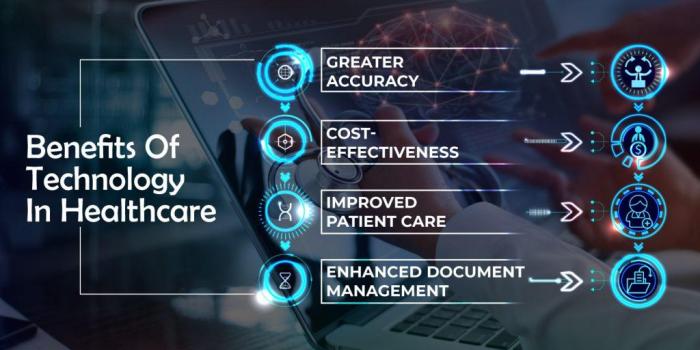
In conclusion, the integration of Health Information Technology has revolutionized patient care by improving communication, streamlining data access, and enhancing overall outcomes. As technology continues to advance, the possibilities for further enhancing patient care through HIT are endless.
Questions Often Asked
How does HIT improve communication between healthcare providers and patients?
HIT facilitates secure messaging, telehealth consultations, and real-time access to patient records, resulting in more efficient and effective communication.
What impact does EHR have on patient engagement?
EHR systems enable patients to access their health information, communicate with providers, and actively participate in their care plans, leading to improved engagement and personalized care.
What challenges are associated with telemedicine in patient care?
Challenges include ensuring data privacy and security, addressing technological disparities, and maintaining the quality of care during virtual consultations.
How do data analytics tools in HIT contribute to patient care improvement?
Data analytics tools analyze patient information to identify trends, predict risks, and tailor treatment plans, ultimately leading to proactive and personalized patient care.

