

How Cloud Computing Is Reshaping Health Information Technology sets the stage for this enthralling narrative, offering readers a glimpse into a story that is rich in detail and brimming with originality from the outset.
The following paragraphs will delve deeper into the impact of cloud computing on data security, scalability, flexibility in healthcare IT systems, and its role in telemedicine and remote patient care.
Overview of Cloud Computing in Health Information Technology
Cloud computing in health information technology refers to the use of remote servers hosted on the internet to store, manage, and process healthcare data. This technology allows healthcare providers to access and share information in a secure and efficient manner.
Examples of Cloud Computing in Storing and Managing Healthcare Data
- Hospital Information Systems (HIS): Cloud-based HIS store patient records, lab results, and other medical information electronically, enabling easy access for healthcare professionals.
- Picture Archiving and Communication Systems (PACS): Cloud-based PACS store medical images like X-rays and MRIs, allowing radiologists to view and analyze them remotely.
- Electronic Health Records (EHR): Cloud-based EHR systems store patient health records, treatment plans, and medication history, ensuring continuity of care across different healthcare settings.
Benefits of Implementing Cloud Computing in Healthcare IT Systems
- Scalability: Cloud computing allows healthcare organizations to scale their IT infrastructure based on their needs, avoiding costly investments in physical servers.
- Cost Efficiency: By using cloud services, healthcare providers can reduce IT maintenance costs and only pay for the resources they use, leading to overall cost savings.
- Data Security: Cloud providers offer robust security measures to protect sensitive patient information, including encryption, access controls, and regular data backups.
- Interoperability: Cloud-based systems facilitate data exchange between different healthcare entities, promoting collaboration and improving patient outcomes.
Impact of Cloud Computing on Data Security
Ensuring data security is paramount in health information technology to protect sensitive patient information from unauthorized access or breaches.
Importance of Data Security in Health Information Technology
Data security in healthcare is crucial to maintaining patient confidentiality, preventing identity theft, and complying with regulations like HIPAA.
Comparison of Traditional Data Storage Methods with Cloud-Based Storage
- Traditional data storage methods often rely on on-premises servers, making it more susceptible to physical theft, natural disasters, or hardware malfunctions.
- Cloud-based storage, on the other hand, offers secure data centers with advanced encryption, firewalls, and multiple layers of security protocols.
- Cloud providers also have dedicated security teams to monitor and respond to potential threats promptly.
How Cloud Computing Enhances Data Security in Healthcare Settings
- Cloud computing enables healthcare organizations to centralize data storage, making it easier to implement uniform security measures across all systems.
- Automatic backups and disaster recovery features in cloud storage help protect data in case of emergencies or cyberattacks.
- Regular software updates and security patches are applied by cloud providers to ensure systems are protected against the latest threats.
Scalability and Flexibility in Healthcare IT Systems
Scalability and flexibility are crucial aspects of healthcare IT systems, allowing them to adapt and expand according to the changing demands of the industry. In the context of healthcare, scalability refers to the ability of the IT infrastructure to handle an increasing amount of data, users, and applications without compromising performance.
On the other hand, flexibility in healthcare IT systems pertains to the ease of modifying, adding, or removing components to meet specific requirements.
Benefits of Cloud Computing for Scalability and Flexibility
Cloud computing plays a significant role in enhancing the scalability and flexibility of healthcare IT systems. Here are some examples of how cloud computing enables these capabilities:
- Dynamic Resource Allocation: Cloud platforms allow healthcare organizations to scale computing resources up or down based on demand. This flexibility ensures that systems can handle peak loads efficiently without unnecessary expenses during low-demand periods.
- Agility in Deployment: With cloud-based solutions, healthcare providers can quickly deploy new applications, services, or updates without the need for extensive hardware installations. This agility enables them to respond promptly to changing healthcare needs and regulatory requirements.
- Interoperability and Integration: Cloud computing facilitates seamless integration of disparate healthcare systems and applications, enabling data sharing and collaboration across different departments and organizations. This interoperability enhances the overall flexibility of IT systems in healthcare.
Advantages of Scalable and Flexible IT Systems in Healthcare
Having scalable and flexible IT systems in healthcare offers several advantages, including:
- Cost Efficiency: Scalable systems help healthcare organizations optimize resource utilization, reducing operational costs associated with maintaining on-premises infrastructure. Flexibility allows for cost-effective adjustments as needs evolve.
- Enhanced Performance: Scalable and flexible IT systems can deliver high performance consistently, ensuring smooth operation of critical healthcare applications and services. This reliability is essential for providing quality patient care.
- Adaptability to Growth: Healthcare organizations experiencing growth or changes in patient volumes can easily scale their IT systems with cloud computing, accommodating increased data storage and processing requirements without disruptions.
Telemedicine and Remote Patient Care through Cloud Computing
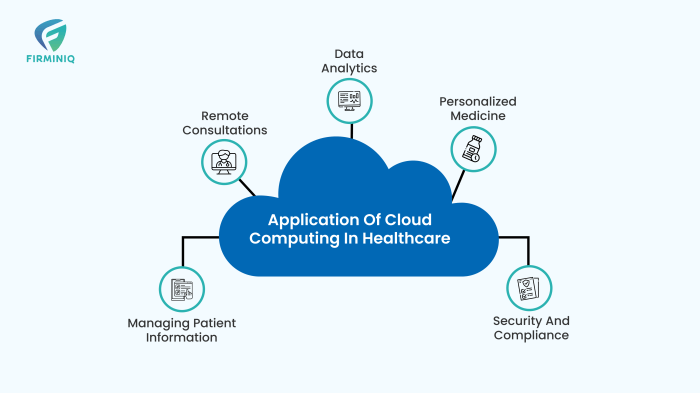
Telemedicine and remote patient care have been revolutionized by cloud computing, allowing healthcare providers to offer services and consultations to patients from a distance. This has become especially crucial in times of crisis or for patients who are unable to visit healthcare facilities in person.
Facilitation of Telemedicine through Cloud Computing
- Cloud computing enables healthcare providers to securely store and access patient data remotely, making it easier to track patient progress and offer consultations virtually.
- Platforms like Teladoc, Amwell, and Doxy.me are examples of telemedicine services powered by cloud technology, connecting patients with healthcare professionals through video calls and secure messaging.
- The scalability and flexibility of cloud infrastructure allow for seamless integration of telemedicine platforms with existing healthcare IT systems, ensuring efficient communication and data sharing.
Improved Access to Healthcare Services Remotely
- Cloud computing plays a vital role in expanding access to healthcare services in remote or underserved areas where physical healthcare facilities may be limited.
- By leveraging cloud-based telemedicine solutions, patients can receive timely medical advice, prescriptions, and follow-up care without the need to travel long distances.
- The ability to access healthcare services remotely through cloud computing not only increases convenience for patients but also reduces healthcare costs and improves overall health outcomes.
Ending Remarks
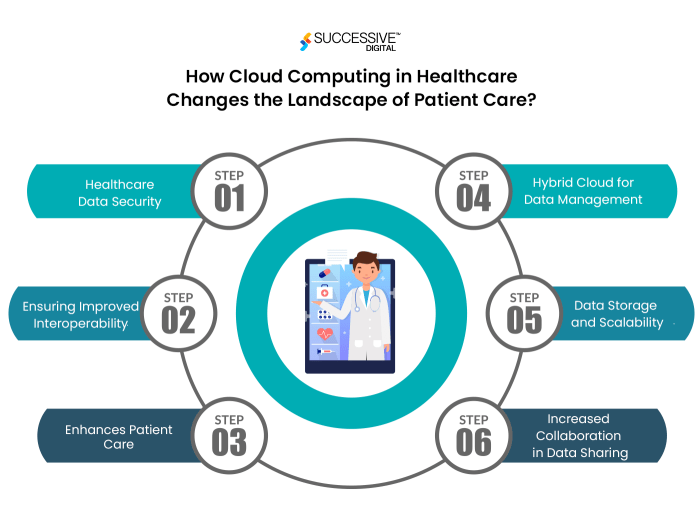
In conclusion, the transformative power of cloud computing in reshaping health information technology is evident. Embracing this technology opens up new possibilities for efficient data management, enhanced data security, and improved access to healthcare services. The future of healthcare IT systems is undoubtedly intertwined with the advancements in cloud computing.
FAQ Summary
What are the benefits of implementing cloud computing in healthcare IT systems?
Implementing cloud computing in healthcare IT systems allows for easier access to data, improved scalability, cost-effectiveness, and enhanced security measures.
How does cloud computing enhance data security in healthcare settings?
Cloud computing enhances data security in healthcare settings through encryption, regular security updates, access controls, and secure backups.
What is the role of cloud computing in improving access to healthcare services remotely?
Cloud computing enables telemedicine platforms, remote patient monitoring, and access to electronic health records from anywhere, enhancing the availability of healthcare services remotely.

