

Kicking off with Future Trends in Computer Information Systems You Should Know, this opening paragraph is designed to captivate and engage the readers, providing an insightful overview of the latest advancements and technologies shaping the field. From AI and machine learning to cybersecurity innovations and cloud computing trends, this discussion delves into the exciting developments revolutionizing computer information systems.
Current Trends in Computer Information Systems
Computer Information Systems (CIS) is a rapidly evolving field, with new advancements constantly shaping its landscape. Emerging technologies play a crucial role in redefining how organizations manage and utilize information. Let's delve into the latest trends that are influencing the world of CIS.
Artificial Intelligence and Machine Learning
Artificial Intelligence (AI) and Machine Learning (ML) have revolutionized how data is processed and analyzed in CIS. These technologies enable systems to learn from data, identify patterns, and make decisions with minimal human intervention. The integration of AI and ML is enhancing efficiency and accuracy in various CIS processes, from data management to cybersecurity.
Cloud Computing
Cloud computing has become a fundamental component of modern CIS practices. Organizations are increasingly migrating their data and applications to the cloud to improve scalability, accessibility, and cost-effectiveness. Cloud-based solutions offer flexibility and agility, allowing businesses to adapt to changing demands and enhance collaboration among users.
Internet of Things (IoT)
The Internet of Things (IoT) is creating new opportunities and challenges in CIS. With the proliferation of connected devices, data volumes are skyrocketing, necessitating advanced data management and analysis techniques. IoT integration in CIS enables real-time monitoring, predictive maintenance, and enhanced decision-making based on actionable insights from interconnected devices.
Cybersecurity Innovations
As cyber threats continue to evolve, cybersecurity innovations are crucial for safeguarding sensitive information in CIS. Advanced encryption technologies, biometric authentication, and threat intelligence tools are being deployed to protect data from unauthorized access and cyber attacks. Proactive cybersecurity measures are essential to mitigate risks and ensure the integrity of information systems.
Artificial Intelligence and Machine Learning in Computer Information Systems
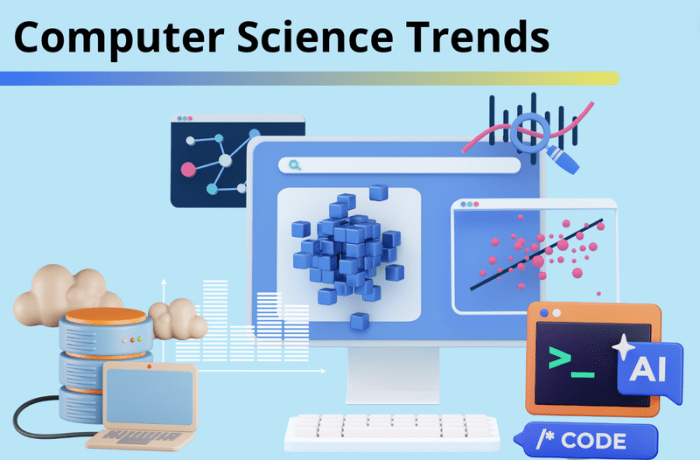
AI and ML play a crucial role in optimizing computer information systems by automating processes, improving decision-making, and enhancing overall system efficiency.
Integration of AI into Information Systems
- AI-powered chatbots are being used to provide real-time customer support, reducing response times and improving user experience.
- AI algorithms are utilized for data analysis, helping organizations make data-driven decisions and predictions.
- AI is integrated into cybersecurity systems to detect and respond to cyber threats in real-time, enhancing system security.
Revolutionizing Data Processing with Machine Learning Algorithms
- Machine learning algorithms are transforming data processing by identifying patterns and trends in large datasets, enabling more accurate insights.
- ML algorithms are used in recommendation systems to personalize user experiences based on past behaviors and preferences.
- ML models are employed in predictive maintenance to anticipate equipment failures and schedule maintenance proactively, reducing downtime.
Cybersecurity Innovations in Computer Information Systems
In today's digital age, cybersecurity plays a crucial role in safeguarding computer information systems from cyber threats and attacks. As technology advances, new trends in cybersecurity are emerging to enhance the protection of sensitive data and information.
Importance of Cybersecurity Measures in CIS
- Cybersecurity measures are essential to prevent unauthorized access to confidential data stored in computer information systems.
- By implementing robust cybersecurity protocols, organizations can mitigate the risks of data breaches, identity theft, and other cybercrimes.
- Protecting CIS from cyber threats ensures the continuity of business operations and maintains the trust of customers and stakeholders.
New Trends in Cybersecurity to Protect Information Systems
- Artificial Intelligence and Machine Learning are being used to detect and respond to cyber threats in real-time, improving the efficiency of cybersecurity defenses.
- Zero Trust security models are gaining popularity, where access to systems and data is restricted based on strict verification protocols, regardless of the user's location.
- Endpoint detection and response (EDR) solutions are being deployed to proactively monitor and secure endpoints against advanced cyber threats.
Impact of Blockchain Technology on Enhancing Cybersecurity in CIS
- Blockchain technology offers a decentralized and immutable ledger system that enhances the security and integrity of data stored in computer information systems.
- By creating secure and transparent transactions, blockchain technology reduces the risks of data tampering and unauthorized access to sensitive information.
- Implementing blockchain-based cybersecurity solutions can strengthen the overall resilience of CIS against cyber threats and attacks.
Cloud Computing and Data Management Trends
Cloud computing has become an integral part of modern information systems, revolutionizing the way data is stored, processed, and managed. By leveraging the power of the cloud, organizations can access scalable and flexible computing resources on-demand, without the need for on-premise infrastructure.
Significance of Cloud Computing in Data Management
- Cost-effective storage solutions: Cloud services offer cost-effective storage options, allowing organizations to pay only for the storage they use.
- Scalability and flexibility: Cloud computing enables organizations to scale their storage and processing capabilities up or down based on their needs, providing flexibility to adapt to changing data requirements.
- Enhanced security features: Cloud providers offer robust security measures to protect data stored in the cloud, ensuring data integrity and confidentiality.
Examples of Cloud Services Transforming Data Management
- Amazon Web Services (AWS): AWS provides a wide range of cloud storage and data management services, such as Amazon S3 for scalable object storage and Amazon RDS for managed relational databases.
- Microsoft Azure: Azure offers cloud-based data services like Azure SQL Database for relational databases and Azure Blob Storage for unstructured data.
- Google Cloud Platform: Google Cloud Platform includes services like Google Cloud Storage for object storage and BigQuery for real-time data analytics.
Future of Data Storage and Processing in the Context of Cloud Computing
- Edge computing integration: With the rise of IoT devices and edge computing, data processing at the edge will become more prevalent, complementing cloud-based storage and processing capabilities.
- Hybrid cloud solutions: Organizations will continue to adopt hybrid cloud solutions, combining on-premise infrastructure with public and private cloud services to meet diverse data management needs.
- Advancements in data analytics: Cloud computing will drive advancements in data analytics technologies, enabling organizations to derive valuable insights from vast amounts of data stored in the cloud.
Internet of Things (IoT) and its Influence on Computer Information Systems
The Internet of Things (IoT) is revolutionizing the way we interact with technology, as everyday devices are becoming more interconnected and intelligent. This interconnected network of devices is changing the landscape of information systems by providing a vast amount of real-time data that can be utilized for various purposes.
Challenges and Opportunities of IoT in CIS
- Challenges:
- Security Concerns: With a growing number of connected devices, the risk of cyber attacks and data breaches increases.
- Interoperability Issues: Ensuring seamless communication between different IoT devices and systems can be a complex task.
- Data Overload: Managing and analyzing the massive amounts of data generated by IoT devices can be overwhelming.
- Opportunities:
- Enhanced Efficiency: IoT enables automation and optimization of processes, leading to increased efficiency and productivity.
- Improved Decision-Making: Real-time data from IoT devices can provide valuable insights for better decision-making.
- New Business Models: IoT opens up opportunities for innovative business models and revenue streams.
Integration of IoT Technologies with Computer Information Systems
IoT technologies are increasingly being integrated with computer information systems to create smart, connected environments. This integration allows for seamless data exchange, automation of tasks, and improved monitoring and control of processes. By leveraging IoT technologies, organizations can enhance their operations, improve customer experiences, and drive innovation in various industries.
End of Discussion
Wrapping up our exploration of Future Trends in Computer Information Systems You Should Know, it's evident that the landscape of CIS is rapidly evolving with groundbreaking technologies and innovative approaches. As we look ahead, staying informed and adapting to these trends will be crucial for professionals in the field to thrive and succeed in the digital era.
Q&A
What are some key cybersecurity measures to protect information systems?
Implementing strong access controls, regular security updates, encryption of sensitive data, and employee training on cybersecurity best practices are essential measures to safeguard information systems.
How is AI being integrated into information systems?
AI is being integrated into information systems for tasks such as automated data analysis, personalized user experiences, predictive analytics, and natural language processing, enhancing efficiency and decision-making processes.
What is the significance of cloud computing in modern information systems?
Cloud computing offers scalability, flexibility, cost-efficiency, and enhanced collaboration in modern information systems, enabling organizations to access and manage data and applications securely from anywhere.
How are IoT devices changing the landscape of information systems?
IoT devices are expanding connectivity and data collection capabilities in information systems, enabling real-time monitoring, improved decision-making, and enhanced automation across various industries.

