

Data Privacy Challenges in Health Information Systems sets the stage for this enthralling narrative, offering readers a glimpse into a story that is rich in detail and brimming with originality from the outset. In an era where technology plays a central role in healthcare, the protection of sensitive health data has become paramount.
This exploration delves into the complexities surrounding data privacy in health information systems, shedding light on the importance of safeguarding personal information in the digital age.
As we navigate through the intricate landscape of data privacy challenges in healthcare, it becomes evident that ensuring the confidentiality and integrity of patient information is not only a legal requirement but also a moral obligation for healthcare organizations.
Introduction to Data Privacy Challenges in Health Information Systems
Data privacy in the context of health information systems refers to the protection of sensitive medical data belonging to patients. This includes information such as medical history, lab results, treatment plans, and other personal details related to an individual's health.
Ensuring data privacy is crucial in healthcare to maintain patient trust, comply with regulations like HIPAA, and prevent unauthorized access to sensitive information. Breaches in data privacy can lead to identity theft, medical fraud, and compromised patient safety.
Examples of Sensitive Health Data
- Personal identification information (e.g., name, address, social security number)
- Medical history (e.g., diagnoses, treatments, surgeries)
- Lab results (e.g., blood tests, imaging studies)
- Prescription medications and dosage information
- Mental health records and substance abuse history
Regulatory Frameworks and Compliance
Health information systems must adhere to key regulations to ensure data privacy and security. Two prominent regulations governing this area are HIPAA and GDPR.
HIPAA (Health Insurance Portability and Accountability Act)
The Health Insurance Portability and Accountability Act (HIPAA) sets the standard for protecting sensitive patient data. Organizations in the healthcare industry face challenges in complying with HIPAA regulations due to the complexity of healthcare operations and the vast amount of data involved.
- Ensuring the security of electronic protected health information (ePHI) is a major challenge, requiring robust IT infrastructure and continuous monitoring.
- Implementing access controls and encryption measures to safeguard patient data adds an additional layer of complexity to compliance efforts.
- Training staff on HIPAA regulations and maintaining compliance across all departments pose ongoing challenges for healthcare organizations.
Failure to comply with HIPAA regulations can result in severe penalties, including fines ranging from $100 to $50,000 per violation, depending on the level of negligence.
GDPR (General Data Protection Regulation)
The General Data Protection Regulation (GDPR) governs data protection and privacy for individuals within the European Union (EU) and the European Economic Area (EEA). Healthcare organizations that process data of EU citizens must comply with GDPR, presenting unique challenges.
- Obtaining explicit consent for data processing activities and ensuring transparency in data handling practices are essential but challenging aspects of GDPR compliance.
- Implementing data breach notification protocols within strict timelines can be demanding for healthcare organizations.
- Managing data transfer and storage in compliance with GDPR requirements, especially when utilizing cloud services, poses significant challenges.
Non-compliance with GDPR can lead to substantial fines, with penalties reaching up to €20 million or 4% of the organization's global annual turnover, whichever is higher.
Cybersecurity Threats and Risks
Cybersecurity threats targeting health information systems pose significant risks to the confidentiality, integrity, and availability of sensitive patient data. As healthcare organizations increasingly digitize their operations, they become more vulnerable to various cyber threats that can compromise the security of their systems.
Common Cybersecurity Threats in Healthcare
- Malware Attacks: Malicious software such as ransomware, viruses, and spyware can infect healthcare systems, leading to data breaches and system disruptions.
- Phishing Attacks: Cybercriminals often use deceptive emails or messages to trick healthcare employees into revealing sensitive information or providing access to critical systems.
- Insider Threats: Employees or other trusted individuals within healthcare organizations may intentionally or unintentionally misuse data, leading to security incidents.
Potential Consequences of Data Breaches in Healthcare
- Financial Loss: Healthcare organizations may incur significant financial costs related to breach remediation, legal fees, regulatory fines, and potential lawsuits.
- Reputational Damage: Data breaches can erode patient trust and damage the reputation of healthcare providers, leading to a loss of business and credibility.
- Patient Harm: Compromised patient data can result in identity theft, medical fraud, and other serious consequences that may harm individuals' health and well-being.
Recent Cybersecurity Incidents in Healthcare
- In 2020, the cyberattack on University of Vermont Health Network disrupted patient care services and led to a significant data breach affecting thousands of individuals.
- The ransomware attack on Universal Health Services in 2020 resulted in system outages across multiple facilities, highlighting the impact of cyber threats on healthcare operations.
- The data breach at Community Health Systems in 2014 exposed the personal information of more than 4.5 million patients, underscoring the ongoing risk of cyber incidents in the healthcare industry.
Data Sharing and Interoperability Issues
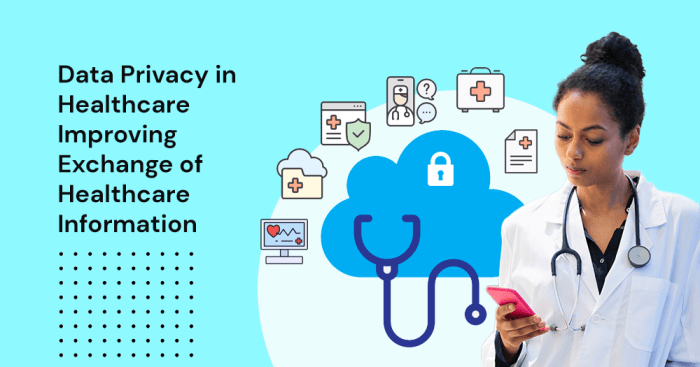
When it comes to health information systems, one of the major challenges is securely sharing data between different systems. This can often be complicated by varying data formats, security protocols, and privacy regulations.
Importance of Interoperability
Interoperability plays a crucial role in improving healthcare outcomes by ensuring that patient data can be seamlessly exchanged and accessed across different systems and healthcare facilities. This enables healthcare providers to have a comprehensive view of a patient's medical history, leading to more informed decision-making and better coordination of care.
Impact on Patient Care
- Data sharing issues can lead to fragmented care, where healthcare providers do not have access to complete and up-to-date information about a patient's health status, medications, and treatment history. This can result in medical errors, delays in treatment, and compromised patient safety.
- Lack of interoperability can also hinder communication between healthcare providers, causing redundant tests, duplicate procedures, and unnecessary healthcare costs. Patients may experience delays in receiving care and may not receive the most appropriate treatment due to incomplete information.
- In emergency situations, the inability to quickly access critical patient data from different systems can significantly impact the timeliness and effectiveness of care delivery. Delays in accessing vital information can lead to adverse outcomes and even potential harm to patients.
Last Word
In conclusion, the discussion on Data Privacy Challenges in Health Information Systems underscores the critical need for stringent measures to protect sensitive health data. As technology continues to advance and healthcare systems become increasingly interconnected, addressing these challenges is imperative to uphold patient trust and confidentiality.
By prioritizing data privacy, healthcare organizations can enhance patient outcomes and build a more secure healthcare ecosystem for the future.
FAQs
What are the potential consequences of data breaches in healthcare?
Data breaches in healthcare can lead to compromised patient confidentiality, identity theft, financial fraud, and damaged reputation for healthcare organizations.
Why is data privacy crucial in healthcare?
Data privacy in healthcare is vital to protect sensitive patient information, maintain trust between patients and healthcare providers, and comply with regulatory requirements.
How do data sharing issues impact patient care?
Data sharing issues can hinder timely access to crucial medical information, resulting in delayed treatments, misdiagnoses, and compromised patient safety.

